Modern Tip
-
Use active dry yeast and let the dough rise overnight for authentic flavor.
-
Store tightly wrapped for up to a week—the flavor deepens over time.
2. Oysters for Breakfast
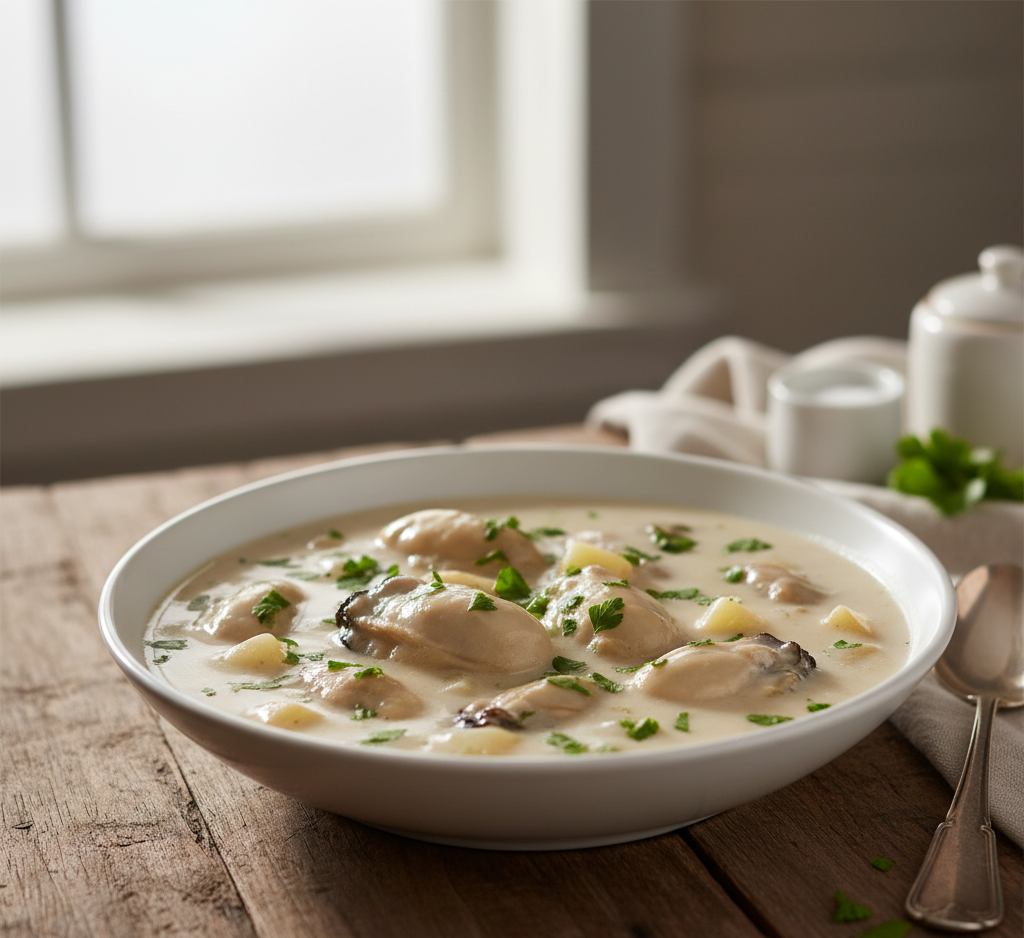
In the 1800s, oysters were cheap and abundant along the East Coast. Oysters for breakfast—often stewed in milk with butter—were completely normal.
This early American recipe may surprise modern readers, but it reflects how seafood was once considered everyday fare.
Serving Suggestion
Serve oyster stew with crusty bread or crackers for a more modern brunch twist.
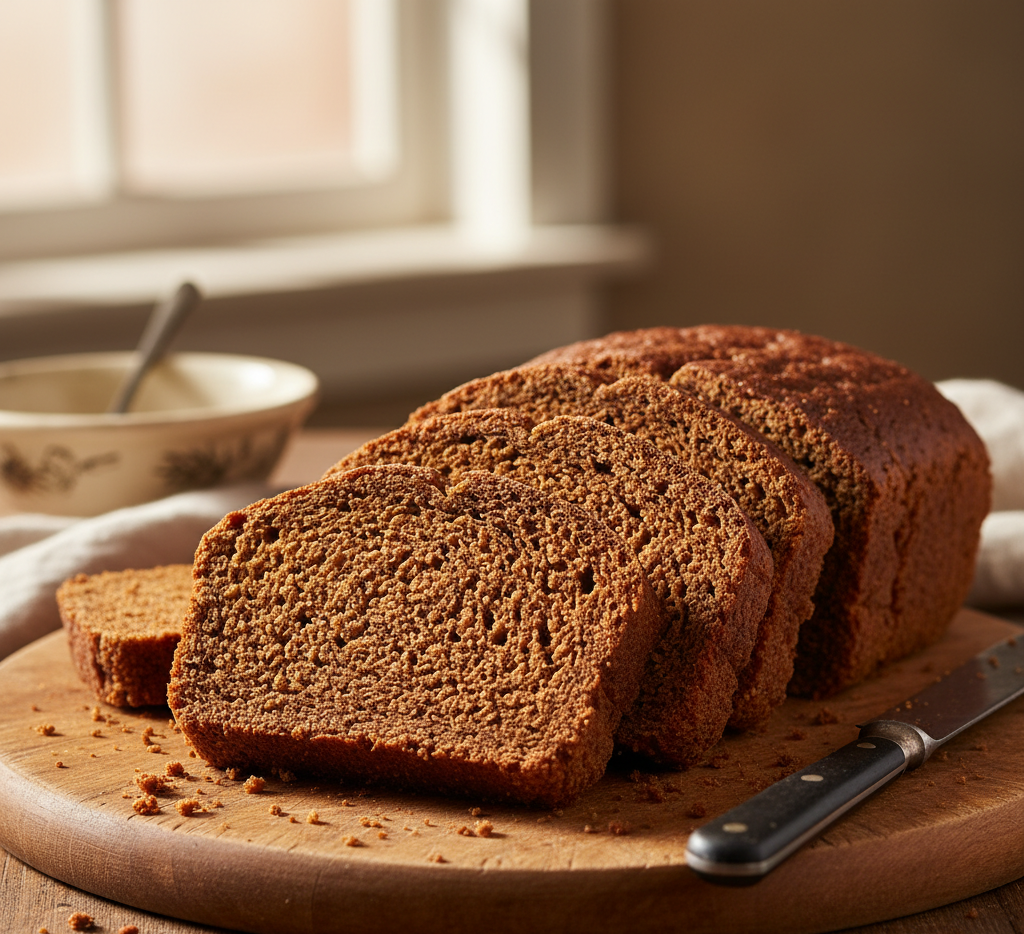
3. Brown Bread in a Can
Steamed Boston brown bread was often cooked in cylindrical molds (today we use cans). Made with rye flour, cornmeal, molasses, and buttermilk, this hearty bread was dense and slightly sweet.
Among the 7 Early American recipes you won’t believe were popular in the 1800’s, this one has truly stood the test of time.
Cooking Tip
Steam rather than bake for the most authentic texture.
4. Mock Turtle Soup
This dish mimicked expensive turtle soup using calf’s head or organ meats. It was a creative and frugal alternative in the 19th century.
While it may sound unusual today, it demonstrates the nose-to-tail cooking philosophy common in early American kitchens.
Modern Variation
Substitute beef stew meat and rich broth for a more approachable version.
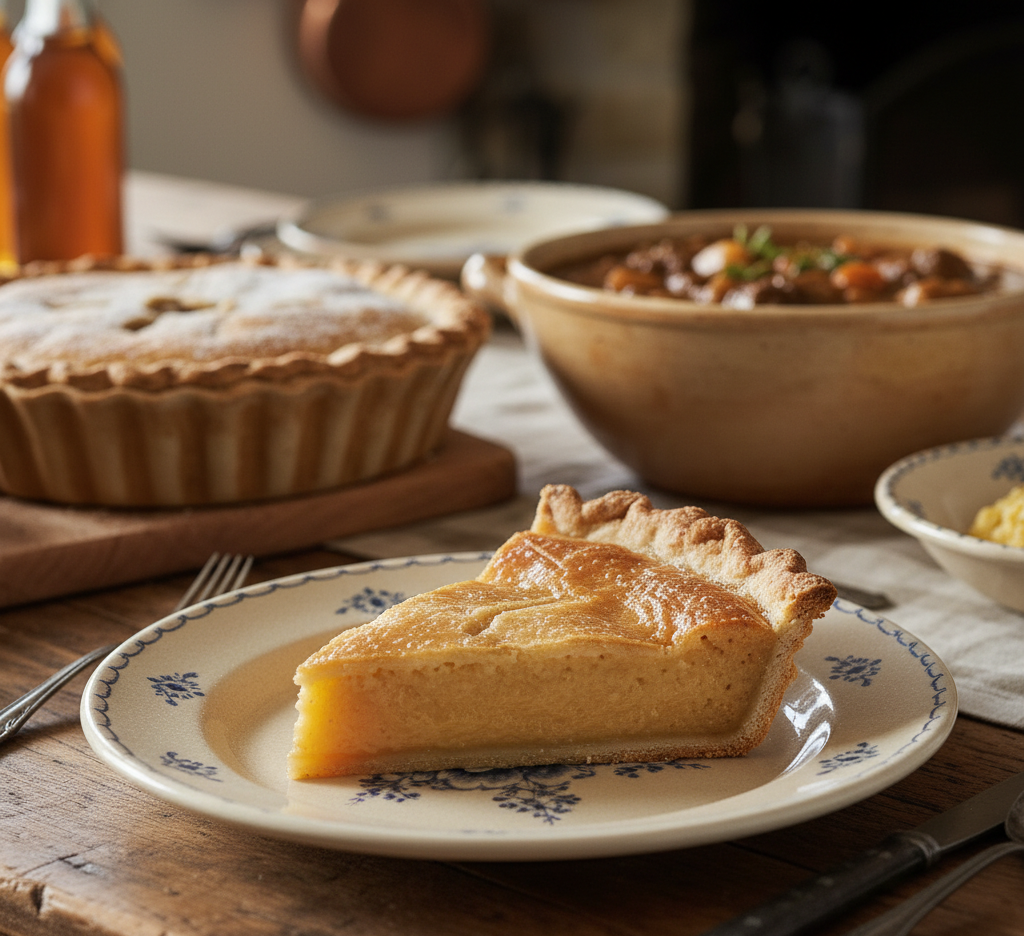
5. Vinegar Pie
No fruit? No problem. Vinegar pie was a clever solution when fresh produce wasn’t available. Vinegar provided tartness similar to apples or lemons.
Among these 7 Early American recipes you won’t believe were popular in the 1800’s, vinegar pie is surprisingly delicious—sweet, tangy, and custard-like.
Storage Tip
Refrigerate for up to 3 days; serve chilled or at room temperature.
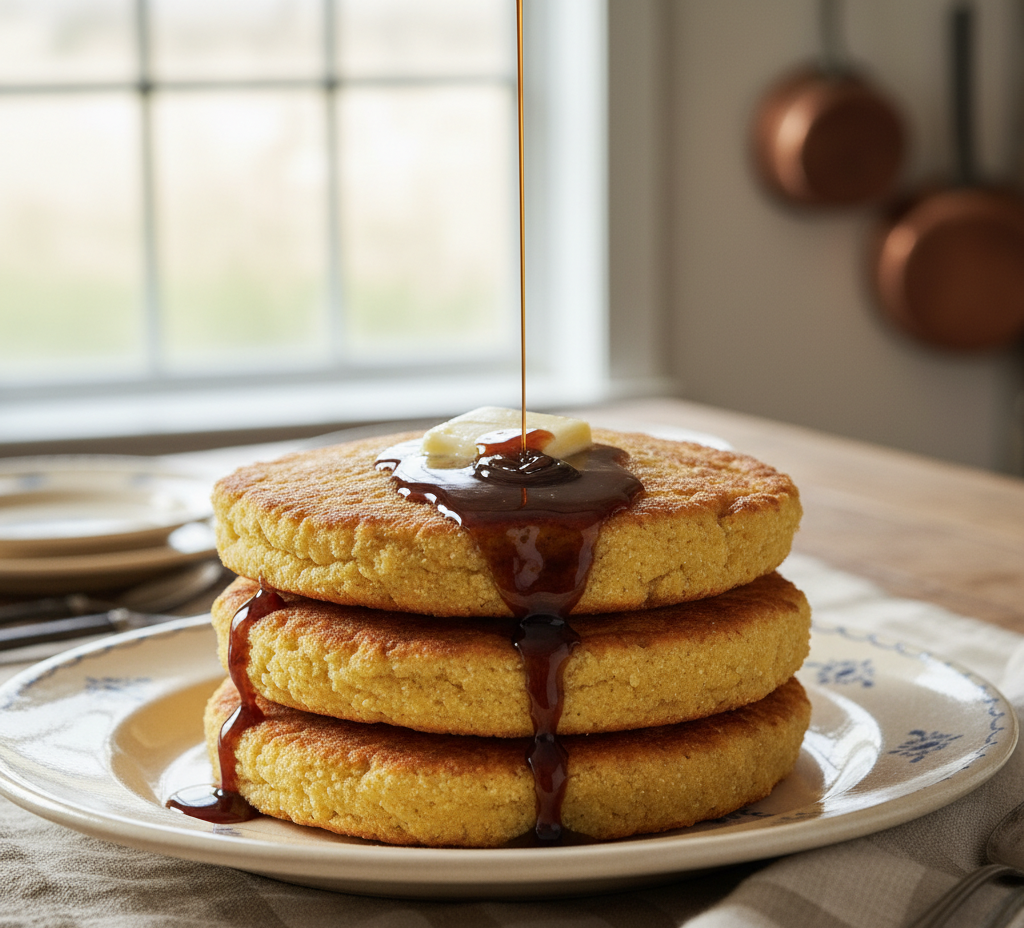
6. Johnnycakes
Johnnycakes were cornmeal flatbreads cooked on a griddle. They were simple, filling, and affordable—perfect for frontier life.
Often served with butter and molasses, they resemble modern cornbread pancakes.
Serving Idea
Top with maple syrup and fresh berries for a modern breakfast upgrade.
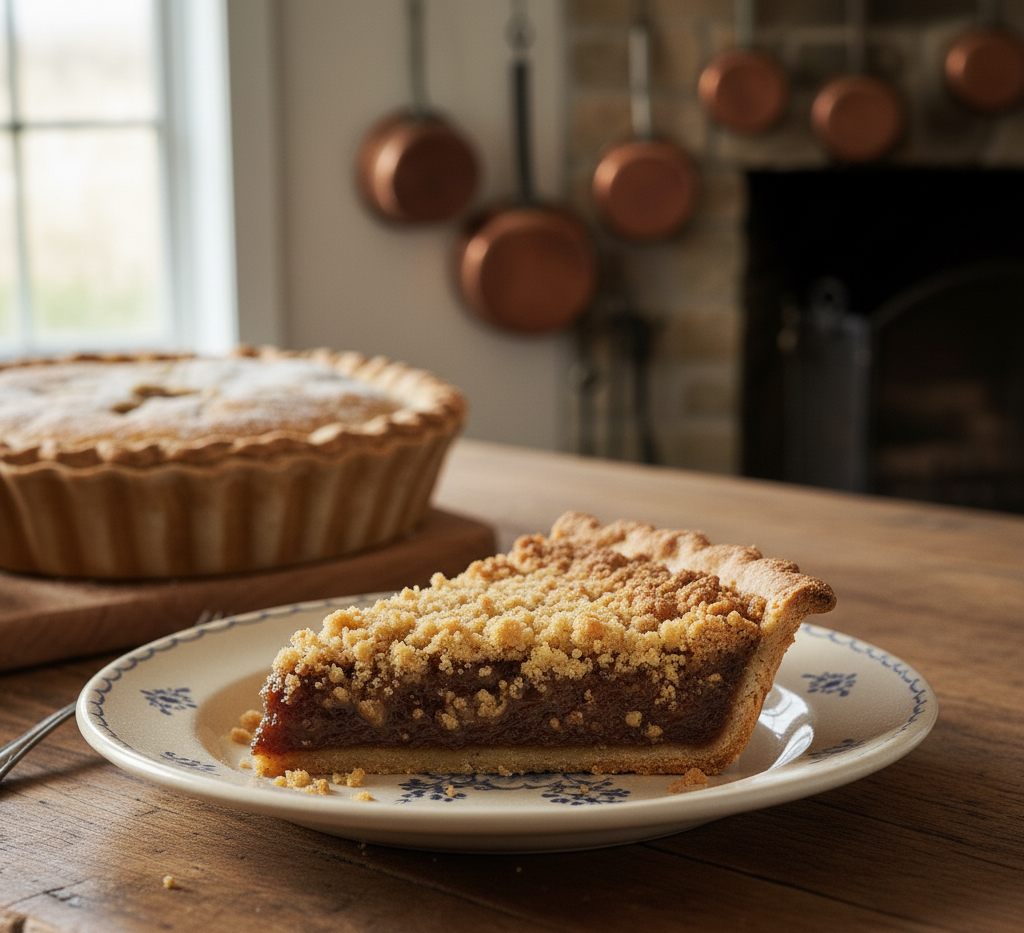
7. Shoofly Pie
This Pennsylvania Dutch classic features a gooey molasses filling and crumb topping. Shoofly pie was rich, sweet, and deeply comforting.
Its popularity in the 1800s stemmed from molasses being affordable and shelf-stable.
Tips for Recreating Early American Recipes Today
If you’re inspired by these 7 Early American recipes you won’t believe were popular in the 1800’s, keep these tips in mind:
-
Use whole, simple ingredients
-
Embrace seasonal produce
-
Try traditional cooking methods like steaming or slow baking
-
Don’t fear bold flavors like molasses and vinegar
Historic cooking often relied on patience and technique more than complicated ingredients.
Common Mistakes to Avoid
-
Over-sweetening historically balanced dishes
-
Skipping resting times for yeast-based recipes
-
Using overly processed substitutes
-
Ignoring texture (many dishes are meant to be dense and hearty)
Understanding the context of these early American recipes helps you recreate them authentically.
FAQs
Why were these early American recipes so unusual?
Many were born from necessity, seasonal shortages, and regional abundance.
Are these recipes still edible by modern standards?
Absolutely! With small adjustments, most are surprisingly delicious.
What ingredients were common in the 1800s?
Molasses, cornmeal, rye flour, preserved meats, oysters, and root vegetables.
Can I modernize these recipes?
Yes—while keeping their spirit intact, you can adjust sweetness, texture, and cooking methods.
Final Thoughts
Exploring these 7 Early American recipes you won’t believe were popular in the 1800’s offers a fascinating glimpse into the culinary past. From oyster breakfasts to vinegar pie, early American cooks were resourceful, creative, and surprisingly bold.
Many of these historic dishes laid the groundwork for the comfort foods we love today. Whether you try making shoofly pie or steam a loaf of brown bread, reconnecting with early American recipes is a delicious way to experience history—one bite at a time.